
Grief and Children
May 31, 2024
Losing a loved one is an incredibly challenging experience, and when children are involved, it becomes even more complex. As parents or caregivers, we want to support our children through grief and help them navigate their emotions. Here are some tips to handle grief and loss of a loved one when you have small children:
- Use Simple, Concrete Language: When explaining death to children, use straightforward and age-appropriate language. Avoid euphemisms like "passed on" or "went to sleep." Answer their questions honestly but without overwhelming them with too much information .
- Be Patient and Listen: Children may need to ask the same questions repeatedly or express their feelings multiple times. Give them space and time to process their emotions. Create a safe environment where they feel comfortable sharing their thoughts and fears.
- Encourage Expression: Let your child express their grief, frustration, fears, and anger. Assure them that these reactions are normal. You can even encourage creative outlets like art to help them process their feelings.
- Memorialize Their Loved One: Help your child create a memorial for the person they've lost. This could be through drawings, writing letters, or planting a tree in their memory. It provides a tangible way for them to honor and remember their loved one.
- Seek Support: Consider professional counseling or support groups if necessary. Grieving children may benefit from talking to a therapist who specializes in grief and loss. Connecting with others who have experienced similar situations can also be helpful.
Remember that grief doesn't follow a specific timeline, and children may express their feelings differently than adults. Be patient, understanding, and compassionate as they navigate this difficult journey. By providing a supportive environment, you can help them cope with their loss and find healing in their own time.

Having access to chat is now an option open 24/7

Please RSVP and join us!

In moments of loss, what families often remember most are the stories — the small, vivid details that made their loved one unmistakably *themselves*.

Being close to your loved one is important

Grief has a way of reshaping life.

For your consideration
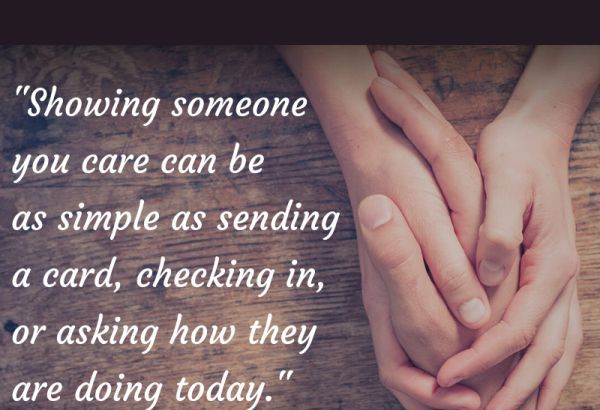
At times we all struggle with what to say when a loved one, a friend or acquaintance has just lost someone to death. We find we often struggle with the right words to say, often times we over think what we should say and we may decide to say nothing at all. At times just being present to the person can make a huge difference or one may say, “I don’t know what to say, but I am here for you.”

Grief is a deeply personal journey, and when someone we care about is hurting, it’s natural to want to help

Furry friends are family

Planning is not easy....